
How Does Autumn Change the Colours of Deciduous and Coniferous Plants?
Discover why deciduous trees turn yellow and red in autumn, while some evergreen conifers develop bronze tones as temperatures fall.
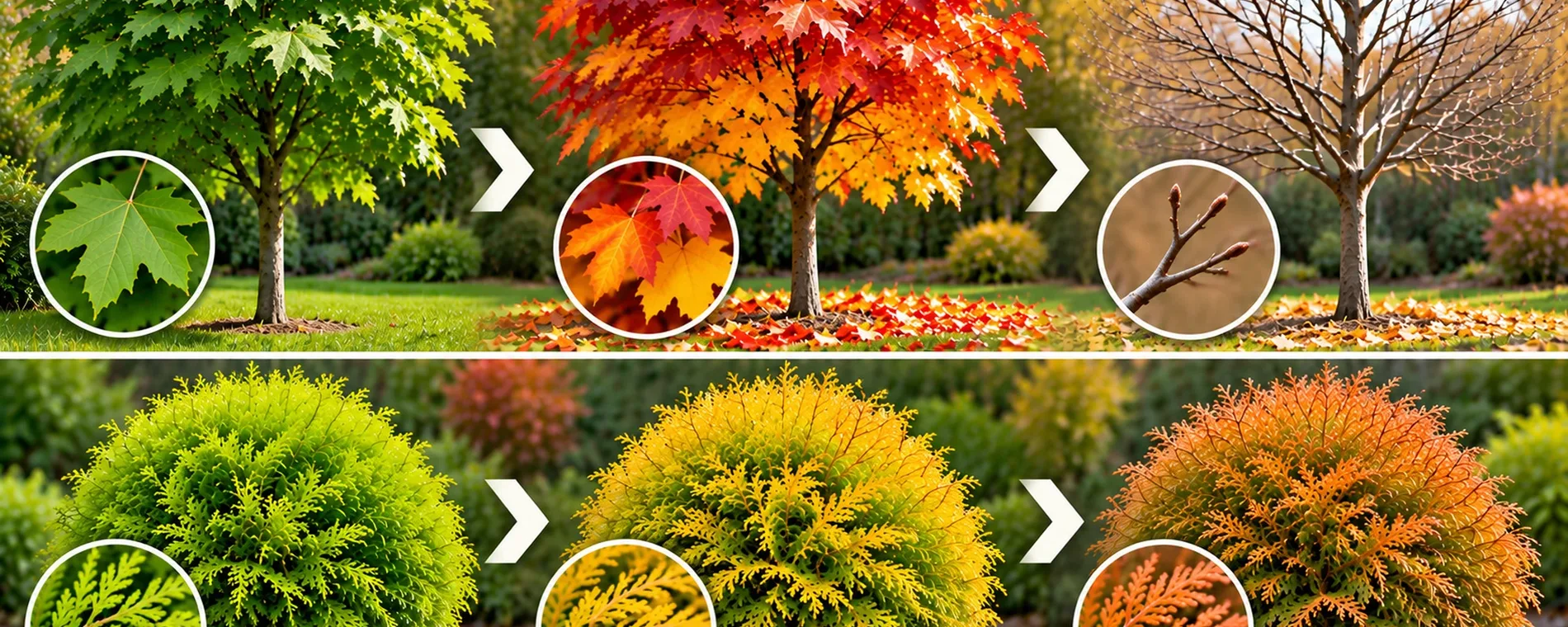
Autumn transforms gardens with a rich palette of yellow, orange, red and purple shades. While deciduous trees gradually change colour and shed their leaves, some evergreen conifers develop bronze and brownish tones. These seasonal changes are part of the natural processes through which plants adapt to lower temperatures and shorter days.
Why Do Deciduous Trees Change Leaf Colour in Autumn?
As autumn approaches and daylight hours decrease, the amount of chlorophyll – the green pigment involved in photosynthesis – gradually declines in the leaves.
As chlorophyll breaks down, yellow and orange pigments called carotenoids become more visible. In certain tree species, anthocyanins are also produced, creating red and purple shades.
The intensity of autumn foliage colours depends on the plant species, temperature, sunlight and soil moisture.
Deciduous Trees with Spectacular Autumn Colours
Some ornamental trees are particularly valued for their vibrant autumn foliage, which can completely transform the appearance of a garden.
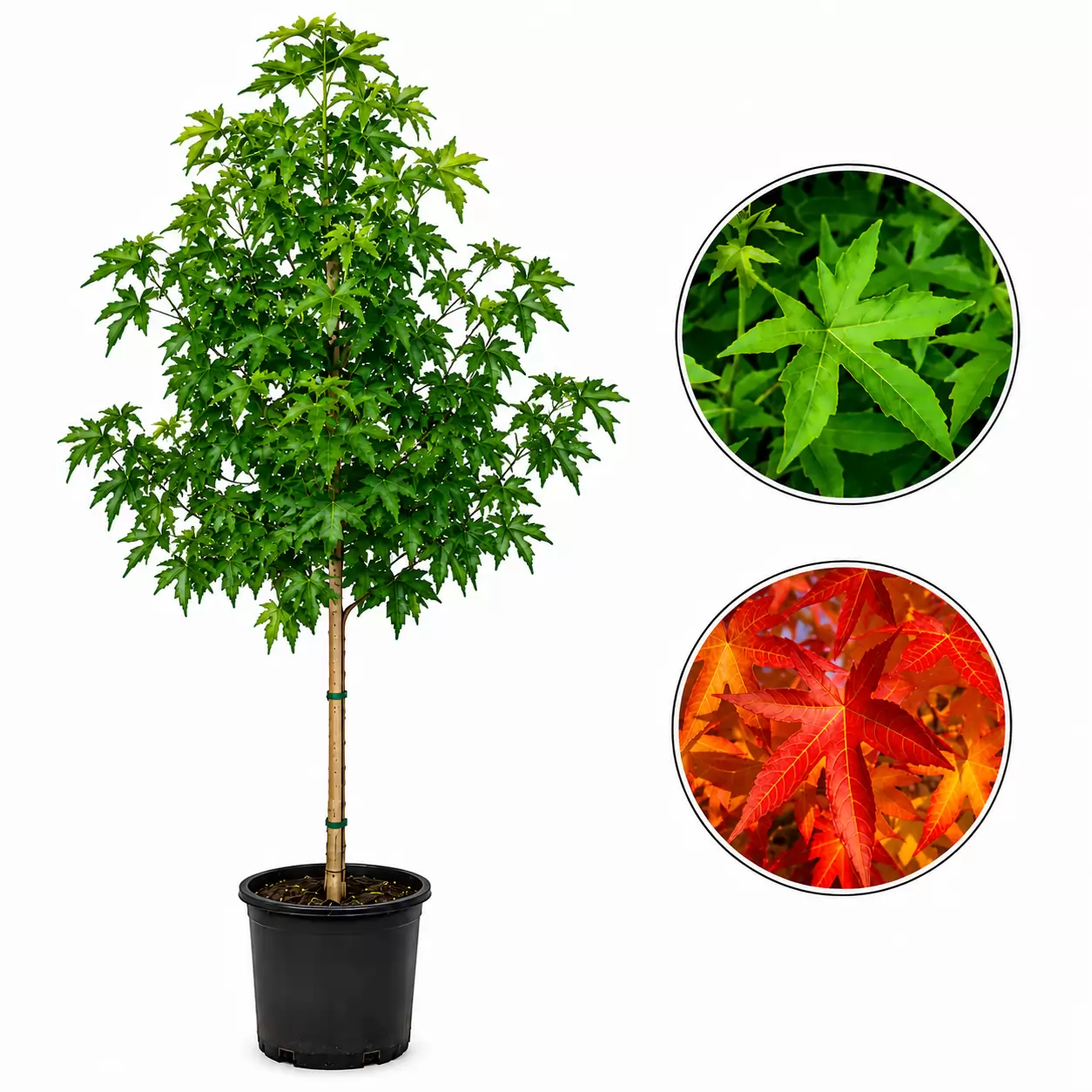
Sweetgum (Liquidambar styraciflua)
Sweetgum is one of the most striking trees in autumn. Its star-shaped leaves develop a remarkable range of colours, from golden yellow and orange to bright red, purple and violet. Several different shades can often be seen on the same tree simultaneously.
Staghorn Sumac (Rhus typhina)
Staghorn sumac is distinguished by its compound, pinnate leaves, which turn vivid orange, scarlet and purplish-red in autumn. Its intense seasonal colouring makes it an attractive ornamental feature in the garden.
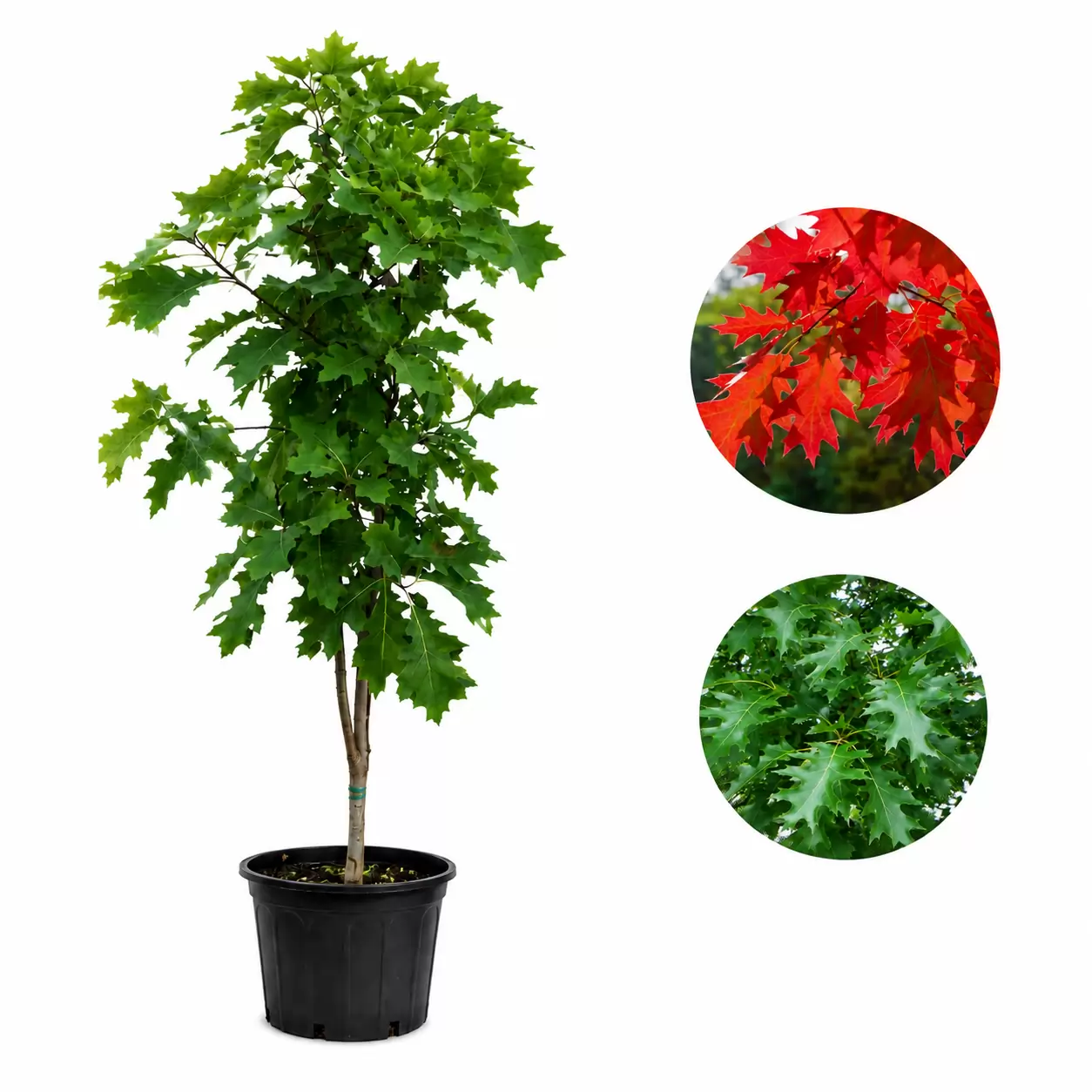
Northern Red Oak (Quercus rubra)
Northern red oak is a majestic deciduous tree whose leaves develop red, brick-red and reddish-brown shades in autumn. Its seasonal colouring is particularly impressive in large gardens and park landscapes.
Lime Tree (Tilia)
Lime trees bring a softer colour palette to the autumn garden. Their heart-shaped leaves gradually change from green to pale yellow and golden yellow, creating a warm and gentle seasonal display.
Why Do Some Conifers Change Colour in Winter?
Unlike deciduous trees, most evergreen conifers retain their foliage throughout the year. However, this does not mean their colour remains completely unchanged.
In certain species and cultivars, falling temperatures and changes in light conditions trigger natural seasonal changes in foliage colour.
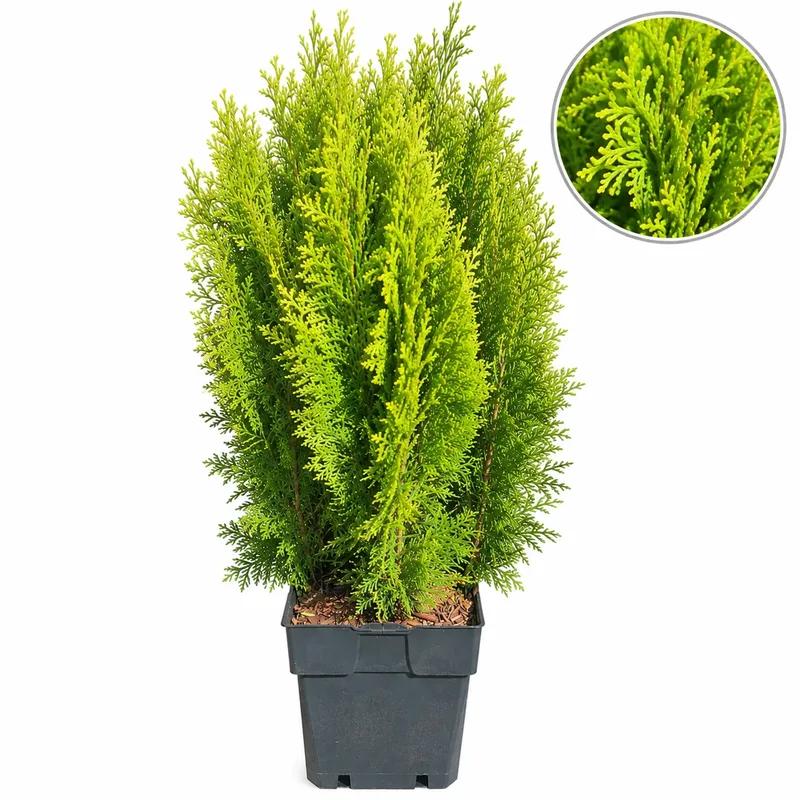
Thuja occidentalis 'Rheingold'
During the growing season, this cultivar displays golden-yellow to orange-yellow foliage. As temperatures fall, its crown gradually develops deeper copper and bronze tones.
This is a normal seasonal characteristic of the cultivar rather than a sign of damage.
Thuja occidentalis 'Danica'
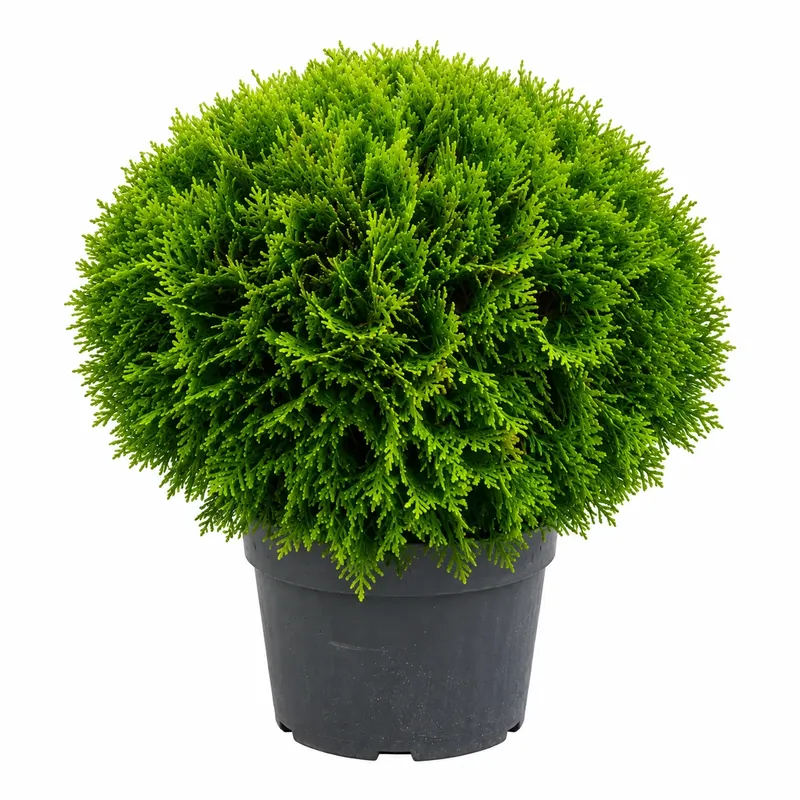
The compact, globe-shaped Thuja 'Danica' generally has rich green foliage during the warmer months. In winter, its foliage may develop bronze-green to brownish-bronze shades, returning to green as temperatures rise in spring.
When Is a Colour Change Natural, and When Should You Be Concerned?
Not every instance of yellowing or browning in conifers indicates a problem.
Natural seasonal changes include:
-
Even bronze colouring across the crown in cultivars known for this characteristic.
-
Gradual yellowing and shedding of older foliage within the inner crown.
-
The return of the usual green colour in spring.
Closer attention is needed when:
-
Browning appears suddenly and affects individual branches.
-
The tips of branches begin to dry out.
-
Foliage becomes dry, brittle and falls in large quantities.
-
Colour changes are accompanied by visible wilting or dieback of shoots.
In such cases, it is important to check soil moisture, drainage and growing conditions. Evergreen plants continue to lose water during winter, particularly in sunny and windy weather, while frozen soil can restrict water uptake.
How to Care for Ornamental Plants in Autumn
Autumn is a suitable season for planting many ornamental trees and shrubs, particularly those grown in containers.
To support healthy establishment and development, it is important to provide:
-
A suitable planting position according to the requirements of each species.
-
Well-prepared soil with adequate drainage.
-
Regular watering after planting and during prolonged dry periods.
-
Mulching around the root zone to reduce temperature fluctuations and retain soil moisture.
It is particularly important for evergreen plants to enter winter with sufficient soil moisture, while avoiding waterlogging.
Autumn Colours – The Natural Beauty of the Garden
Seasonal colour changes are part of the natural life cycle of plants. The golden leaves of lime trees, vibrant foliage of sweetgum and staghorn sumac, reddish shades of northern red oak and bronze winter colouring of certain Thuja cultivars demonstrate how diverse a garden can be during the colder months.
At Flora Design Garden Centre, we offer a wide selection of deciduous and coniferous ornamental plants, helping you create a garden with varied colours and forms throughout the seasons.
Products from the article
More on the topic
All articles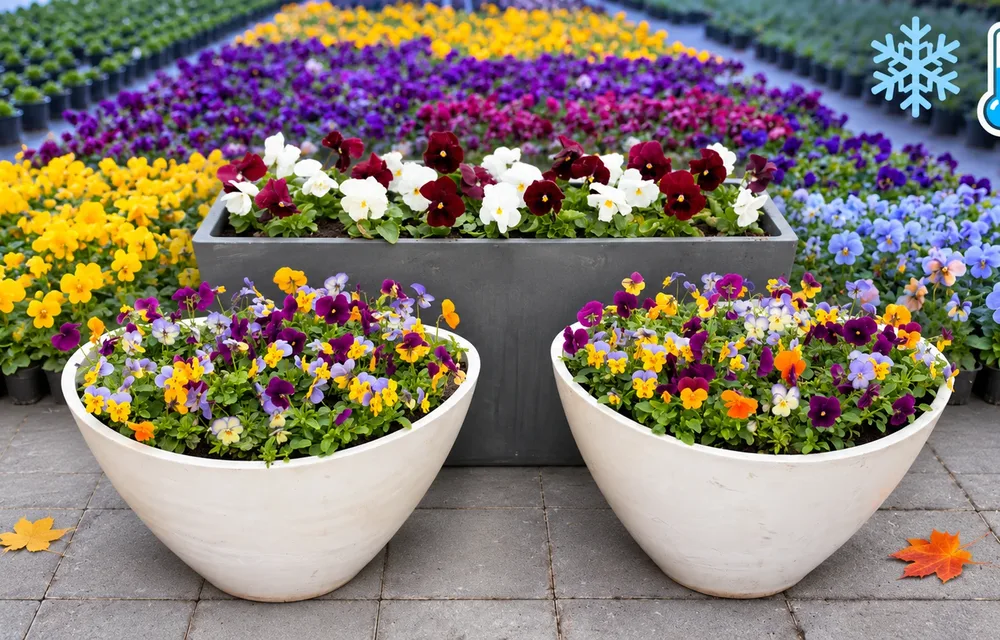
It's November, and the Pansies Are Still Blooming!
The first frosts do not mean the end of the flowering season. Discover how garden pansies respond to falling temperatures, when their flowering slows down and why they are suitable for autumn and winter flower displays. We also share photos of real pansy
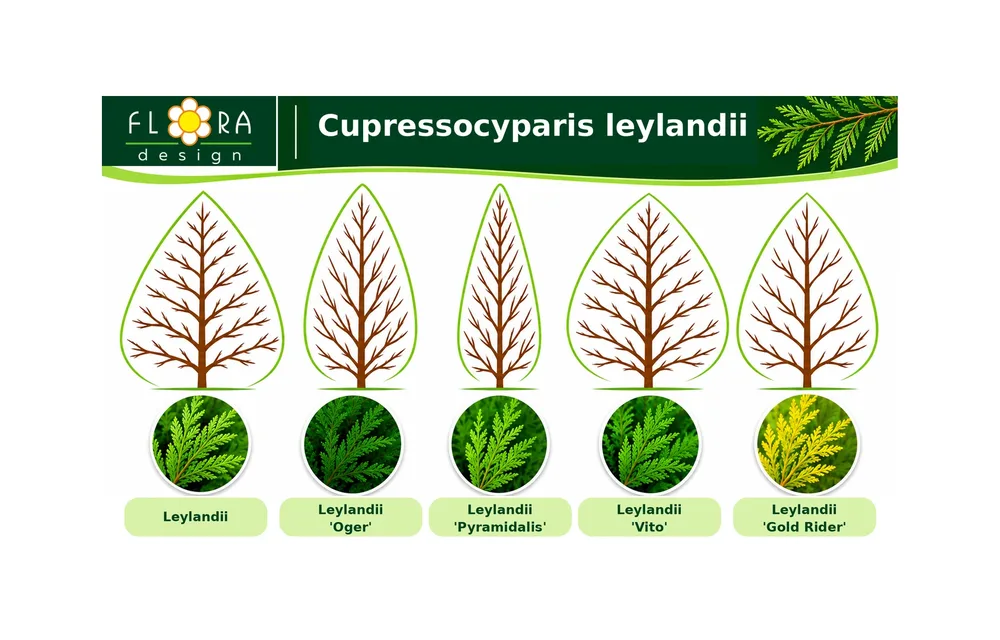
Leyland Cypress Varieties at Flora Design
Leyland cypress offers more variety than you might expect. Explore five varieties at Flora Design, including the newly introduced 'Oger', and discover our selection of ready-trained ornamental forms.
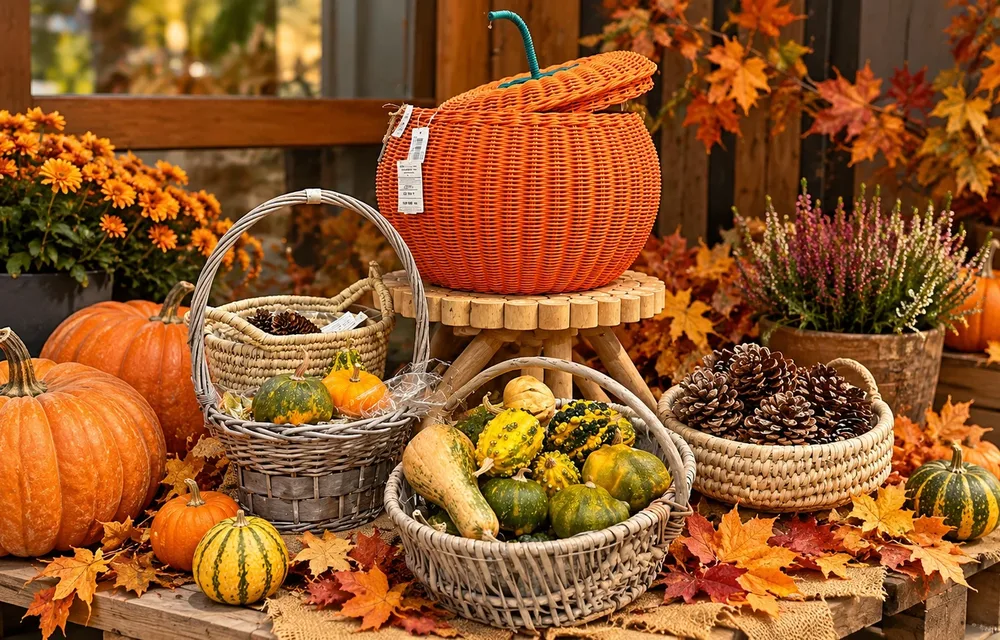
Autumn at Flora Design
Autumn brings warm colours and inspiration for decorating with pumpkins, woven baskets and seasonal flowers. Explore our autumn arrangements and discover ideas for decorating your home, terrace and garden.